

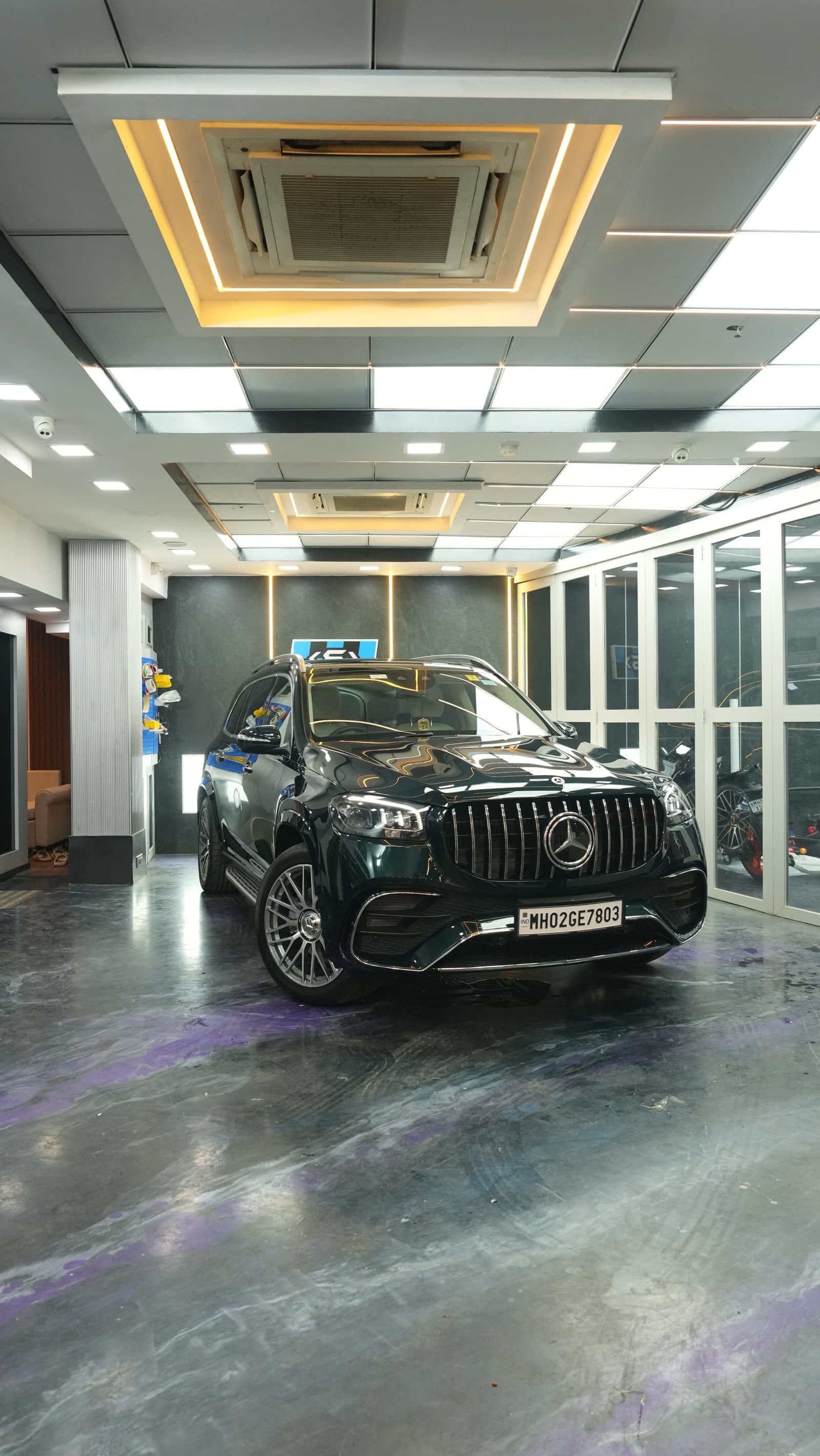
TPU vs TPH PPF: Why Cheap Paint Protection Film Turns Yellow
By Carsuit Studio Team — PPF & coating applicators, Worli · Andheri East3 min read
TPU (thermoplastic polyurethane) PPF is elastic, impact-absorbing, self-healing and UV-stable, and lasts 5–10 years. TPH (thermoplastic hybrid, a PVC-based blend) is cheaper and stiffer, rarely self-heals in any meaningful way, and tends to yellow, crack and lose adhesion within one to three years — which is why most 'too cheap' PPF offers disappoint.
What TPU and TPH actually are
TPU is a polyurethane — the material genuine paint protection film has always been made from. It stretches around curves, absorbs the energy of a stone strike and, with a self-healing top coat, flows back flat when warmed.
TPH is a hybrid of PVC with plasticisers to make it flexible enough to install. It looks similar on day one. Over time the plasticisers migrate out, the film stiffens, yellows and cracks, and removal can pull clear coat.
How to tell which one you're being sold
Ask for the material in writing on the invoice. Ask for thickness in microns. Ask whether the warranty covers yellowing, for how many years, and whether it is registered to your car. A TPU film supplier will answer all three without hesitation.
Price is the other tell. Full-body TPU film plus the labour to install it properly cannot be done for a fraction of the going rate; if a quote is far below every other studio, the film is almost certainly TPH or PVC.
Why it matters more in Mumbai
Heat and UV are what break down PVC-based films, and Mumbai has plenty of both — plus monsoon humidity that attacks weak adhesives. TPH films that might survive a cooler climate for a few years often yellow within one or two summers here.
The real cost of cheap film
Removing failed TPH film is slow work, and if it pulls paint, you're paying for paintwork too. Add the cost of then installing proper film, and the 'cheap' option ends up the most expensive.
Every Carsuit series is TPU with a self-healing top coat, from the 165-micron Elite Series to 200+ micron Armor X, Knight X and Ultimate. See the PPF price guide for what genuine film costs.
Quick answers
Is TPH PPF any good?
It is cheaper and looks fine at first, but it typically yellows, stiffens and cracks within a few years, and it doesn't self-heal meaningfully. For a car you care about, TPU is the only material we recommend.
Does TPU PPF turn yellow?
Quality aliphatic TPU with a UV-stable top coat resists yellowing for its rated life, and Carsuit's written warranty covers yellowing.
Ready to protect yours?
Free 15-minute inspection at Worli or Andheri East — exact numbers, zero pressure.